Giant pandas primarily feed on bamboo, a survival strategy shaped by their long-term evolution to adapt to environmental changes. There are nearly 60 species of bamboo that giant pandas choose to consume. Among these 60 bamboo species, 20 species are their most treasured. These 20 preferred bamboo species are characterized by high nutritional value, easy digestibility, and palatability. An adult captive giant panda consumes about 100 kilograms of bamboo every day on average.
Each species occupies its own elevation band. The variation in altitude allows pandas to move up or down the mountains when bamboo enters its flowering cycle.
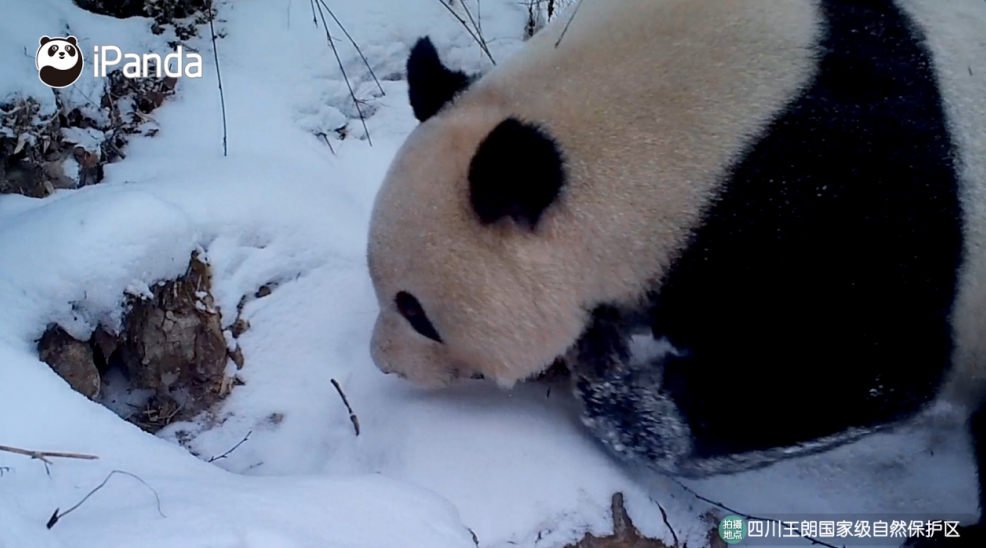

Seasonal changes matter too. When bamboo shoots emerge at lower elevations, pandas move downslope. When shoots appear at higher elevations in summer, they head uphill. So from a food-supply perspective, bamboo is absolutely vital. It makes up 99 percent of the giant panda's food.
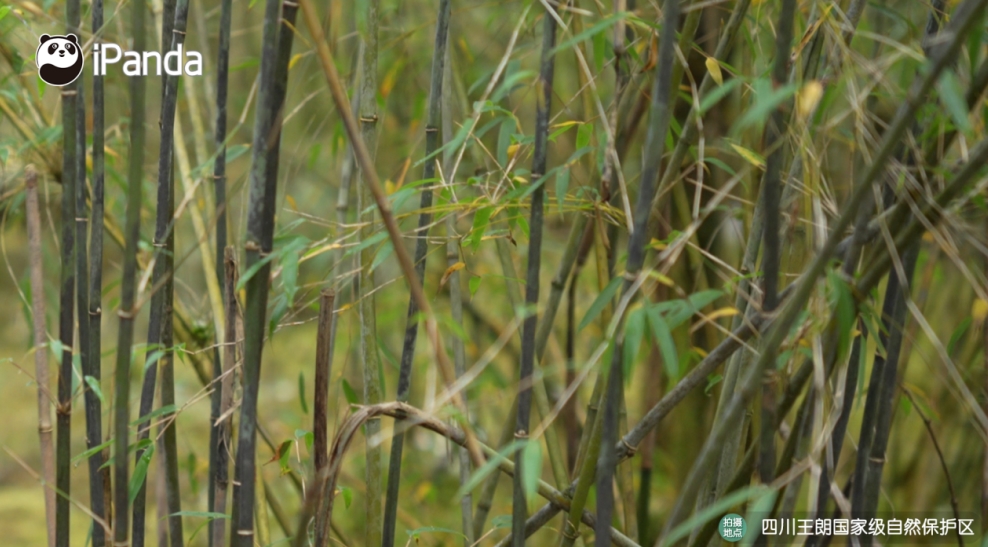
Furthermore, bamboo plays a vital "umbrella effect" role in ecosystems. In the Wanglang National Nature Reserve in Sichuan Province, bamboo forests not only provide food for wildlife but also contribute to ecological regulation.
For example, bamboo forest provides a safe environment for hiding, for cub rearing, and forms a natural habitat network for wild giant pandas.
Bamboo forests are very dense, often more than one and a half meters tall. In such thick bamboo, it is extremely difficult to spot a panda from above or from the side unless it makes noise. This density gives them a natural shield. In some regions like the Qinling and Qionglai ranges, pandas often choose caves or tree hollows to raise their young.
But here in Wanglang, besides tree hollows, they often build nests at the base of large trees for raising their young. The bamboo forest itself also serves as a travel route. These are some of the other roles bamboo plays. And bamboo is not only important to pandas. It is also an important food source for other wildlife.

In addition to creating nests as an environment to raise their young, bamboo also serves as a migration corridor for giant pandas.
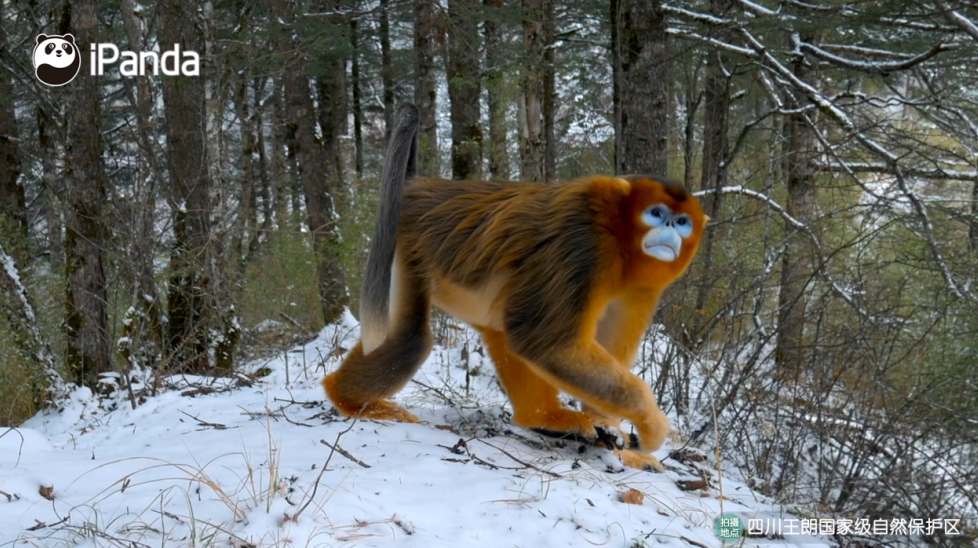
Bamboo is also a food resource for other animals, such as red pandas, forest musk deer, and even snub-nosed monkeys, which have bee found eating bamboo in the wild. So it is essential for the survival of several animals in the ecosystem.
Watch Video:
Video Link: https://www.youtube.com/embed/qB0AqJfL3yw
Media Contact
Company Name: CCTV.com
Contact Person: Mandy Gao
Email: Send Email
Country: China
Website: https://en.ipanda.com