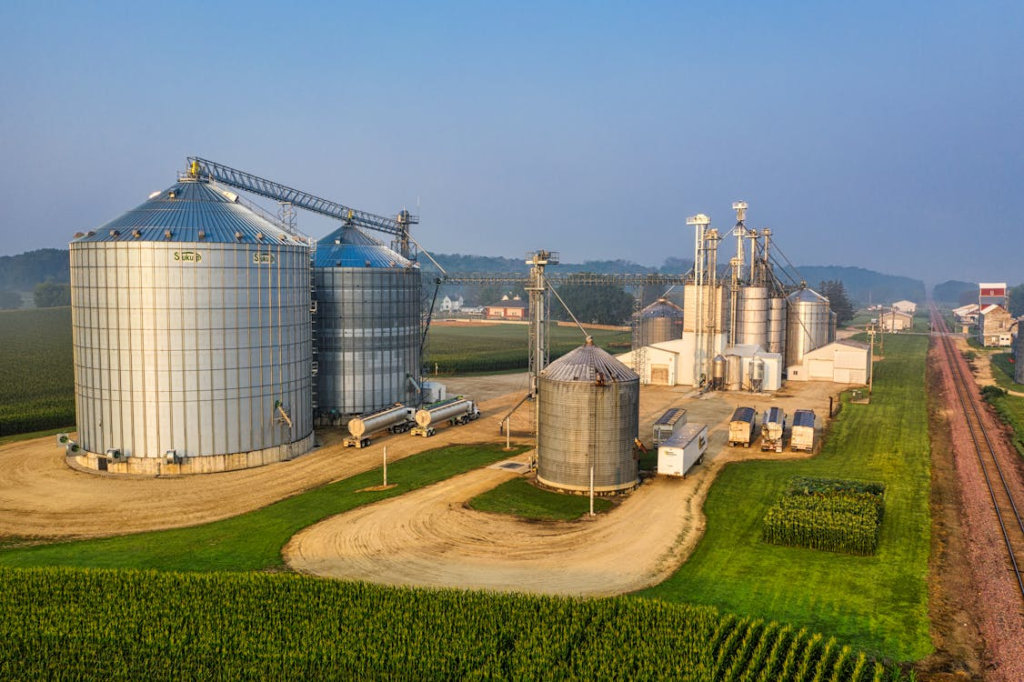
Grain rarely loses value in one dramatic event. Losses build quietly through moisture shifts, heat pockets, fine dust, and handling mistakes. Once spoilage starts, it can spread faster than most operators expect. The outcome shows up as odour, crusting, discoloration, and lower test weight.
The biggest storage risks usually begin with conditions inside the grain mass. Warm grain drives moisture movement and creates local wet zones. Damp grain feeds fungi and speeds caking. A steel silo helps because it supports a cleaner, more controlled environment and makes monitoring easier.
Why Grain Quality Drops During Storage
Quality declines when three factors combine: moisture, heat, and time. Grain can enter storage in good condition and still deteriorate if the internal environment drifts. Small temperature differences inside the mass can push moisture toward cooler zones and create wet layers near the top.
Fungi grow faster in warm, humid pockets. Dust and fines worsen the issue by restricting airflow and trapping moisture. A few bad days can turn into weeks of hidden damage, especially when the grain surface crusts and blocks air paths.
Handling errors add another layer. Overfilling, poor cleanout, or damaged seals can invite contamination and moisture entry. Those issues drive grain storage losses even in facilities that look solid from the outside. Some operators talk with suppliers such as Tarsco Bolted Tanks when they want storage design and long-term upkeep aligned from the start.
How Steel Silos Protect Grain Better Than Basic Storage Methods
A steel grain silo creates a cleaner, more controlled enclosure than low-protection storage methods. It limits weather exposure, reduces contact with ground moisture, and supports managed airflow. It also helps keep the storage space sanitary, which matters for long holding periods.
Open piles and low-protection bins often struggle with runoff, uneven conditions, and pest pressure. Tarps tear and edges leak. Rodents find entry points. Fine dust builds and creates dead zones where spoilage can start.
A grain storage silo does not remove risk, but it reduces the number of ways grain can be damaged and gives you tools to manage what remains.
| Storage Factor | Basic Storage Methods | Steel Silo Storage |
| Weather exposure | High and hard to control | Low with sealed structure |
| Rodent and bird pressure | Higher entry risk | Lower with intact seals |
| Sanitation control | Often inconsistent | Easier to clean and monitor |
| Temperature management | Limited options | Fan and vent systems support control |
| Quality consistency | Varies across the pile | More uniform conditions |
Moisture, Temperature, and Aeration Are What Really Reduce Losses
A silo preserves value when it helps keep conditions stable. Temperature control slows biological activity. Moisture control prevents crusting and mould. Air movement reduces hotspots and keeps the grain mass more uniform.
Aeration: Cooling And Equalising The Grain Mass
Silo aeration moves air through grain to reduce temperature differences. That matters right after filling and during seasonal shifts. Cooling the grain slows fungi growth and reduces insect pressure.
Aeration is not the same as drying. It can support moisture management, yet it will not fix grain that enters storage too wet. Use aeration to condition grain and keep the temperature uniform, not to rescue poor intake quality.
Moisture Control: Preventing Condensation And Crusting
Condensation often starts near the top layers. Warm grain under a cold roof can create a surface that “sweats.” Moisture then collects and forms crusts, especially near the centre in cold weather.
Grain moisture control depends on keeping temperature gradients small. Strategic fan runs during suitable air conditions can limit migration. Clean vents also matter, since trapped humid air increases condensation risk.
Ventilation And Monitoring: Keeping Conditions Visible
Grain silo ventilation supports airflow paths and pressure relief. It helps air move as intended through the grain mass. Without proper venting, fans become less effective, and moisture can concentrate in the wrong zones.
Monitoring closes the loop. Check temperature trends and moisture indicators on a routine schedule. The goal is early action before visible damage appears.
What To Consider When Choosing And Setting Up A Grain Silo
A steel silo for grain storage must match your grain type, climate, and operating rhythm. Design choices affect results as much as capacity does. Start with the holding period and the harshest seasonal conditions you expect.
Instead of treating setup as a single purchase decision, use a simple planning checklist. It helps align airflow, discharge, hygiene, and monitoring with routines your team can maintain.
Practical setup checklist
- Grain type and fines level: Higher fines can restrict airflow and raise crusting risk.
- Expected storage period: Short staging and long holding need different control habits.
- Local climate swings: Fast temperature shifts increase condensation risk near the roof.
- Airflow design: Fan sizing, floor design, and vent capacity should match grain depth.
- Discharge needs: Flow design affects bridging risk and how evenly the mass conditions.
- Hygiene and access: Cleanout capability and sealed entry points reduce contamination.
- Safety features: Platforms, ladders, and safe inspection points support better routines.
- Monitoring plan: Decide sensor locations, who reviews trends, and how often.
These choices keep grain quality storage more stable across weather shifts and partial drawdowns. They also reduce the odds that you discover problems only when you unload.
How Ongoing Checks And Maintenance Keep Losses Low
A silo reduces risk best when you run it like a system, not a container. Conditions change after every fill, every cold front, and every heat wave. Routine checks keep small issues from turning into rehandling and discounting.
A practical inspection rhythm focuses on a few areas:
- Temperature and moisture trends, not one-off readings
- Fan performance, airflow paths, and vent cleanliness
- Seals and access points that keep pests and moisture out
- Signs of bridging, crusting, odour, or uneven discharge
- Cleanliness around ladders, platforms, and roof openings
Pay attention to discharge behaviour. Slow flow or sudden voids can signal bridging. Treat those signs seriously and use safe procedures. Avoid entry into bins during unloading, since engulfment hazards escalate quickly.
The takeaway is straightforward. A steel silo creates a stronger storage environment, but protection is highest when sound design meets steady checks. Regular monitoring and timely maintenance protect value and reduce losses over time.